Misfuelling — putting the wrong fuel into your car — happens more often than most people admit, especially with rental cars, new cars you're not used to, or simply a moment's distraction at the bowser. The good news is that if you act correctly and quickly, the damage is often avoidable entirely.
The most critical rule: do not start the engine
If you realise the mistake before starting the car, the single most important thing you can do is not turn the key. As long as the wrong fuel is sitting in the tank and hasn't been pumped through the fuel lines and into the engine, the fix is usually straightforward: draining the tank.
If you've already started the engine and driven even a short distance, the wrong fuel has likely reached the fuel injectors, fuel pump, and potentially the engine itself — which turns a simple drain job into a more involved (and costly) repair.
Petrol in a diesel car (the more damaging combination)
This is generally considered the worse of the two scenarios. Diesel engines rely on the fuel itself for lubrication within the high-pressure fuel system. Petrol lacks this lubricating property and can also ignite differently within a diesel engine's compression-ignition system, risking damage to the fuel pump, injectors and potentially the engine internals if run for any length of time.
Diesel in a petrol car
Generally less immediately damaging than the reverse, since diesel won't ignite properly in a petrol engine's spark-ignition system — but running the engine can still foul spark plugs, clog fuel filters and injectors, and cause rough running or stalling.
Wrong petrol grade (e.g. 91 instead of 95/98, or vice versa)
This is a much less serious situation. Modern engines can generally tolerate a lower-than-recommended octane rating for a short period without damage, though you may notice reduced performance or slight engine knock. Using a higher octane than required isn't harmful at all. If you've put a lower grade than required into a performance or European car, it's still worth getting it checked, but it's rarely an emergency.
What to actually do, step by step
- Don't start the engine if you haven't already.
- Put the car in neutral and, if possible, get it away from the fuel pump safely without starting it, or leave it where it is and call for help.
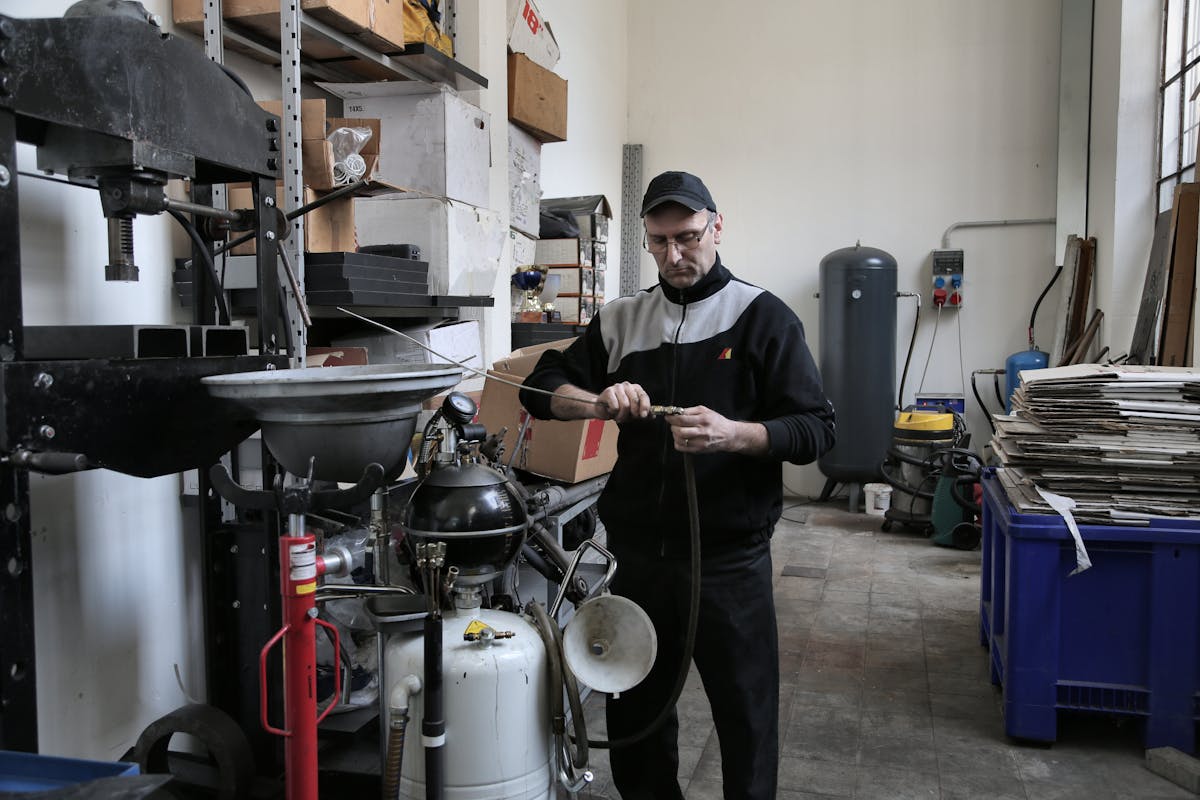
- Call a mobile mechanic who offers wrong fuel extraction — we can drain the tank and flush the fuel lines on-site in most cases, without needing a tow.
- If you've already driven, don't try to "dilute" the problem by adding the correct fuel on top — this doesn't fix the issue and can make diagnosis harder. Get it looked at properly.
What not to do
- Don't start the engine "just to check" — even a few seconds of running can pull the wrong fuel through the system.
- Don't try to drain the tank yourself without the right equipment — done incorrectly, this can introduce contaminants or damage the tank.
- Don't ignore it and hope it "burns off" — this is one of the more expensive mistakes to make with a diesel/petrol mix-up.
Getting it sorted
Misfuelling is stressful, but it's also one of the more common call-outs we handle, and in most cases we can fix it on the spot without a tow truck. See our wrong fuel extraction service, or call 0411 949 959 immediately if you've just misfuelled — the faster we get to you, the simpler and cheaper the fix usually is.
We come to you, anywhere in Perth
Call 0411 949 959 for a straight-talking quote, or request a quote online and we'll get back to you the same day.